Double D Distribution
(801) 292-7999
[email protected]
Website


Maximize fuel efficiency for your big rig
March 24, 2026
Comments are off
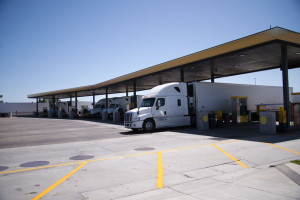
Fuel is one of the largest operating expenses for any truck driver or trucking company. If you’ve ever pulled up to a pump with a nearly empty tank, you know just how quickly those costs can add up. In fact, the average fuel tank on a semi-truck holds between 120 and 150 gallons of diesel. Filling that tank can cost hundreds of dollars in a single stop. For many drivers, it can feel like high fuel costs are simply part of the job, something unavoidable that comes with life on the road.
While fuel expenses will always be a reality in the trucking industry, there are several practical ways to reduce how much you spend at the pump. Small changes in driving habits, trip planning, and everyday routines can make a noticeable difference over time. Even modest improvements in fuel efficiency can translate into significant savings when you consider how many miles truck drivers travel each year.
As one of Utah’s premier asphalt trucking companies, we’ve spent more than three decades transporting construction materials throughout the Intermountain West. Over the years, our drivers have covered countless miles across highways, mountain passes, and job sites. Through that experience, we’ve learned a number of simple but effective strategies that help keep fuel costs under control. Below are four of the most practical tips that can help any truck driver improve fuel efficiency and save money.
1. Take it slow and steady.
Most people remember the classic story of the tortoise and the hare, where slow and steady wins the race. That same principle applies when you’re driving a semi-truck. The faster you drive, the harder your engine must work to maintain speed and power all of the truck’s components, including the transmission, alternator, and tires. Increased speed also creates more aerodynamic drag, which forces the engine to burn more fuel just to keep the vehicle moving.
According to research from the U.S. Department of Energy, reducing your average driving speed by just 5 to 10 miles per hour can improve fuel economy by as much as 14 percent. That may not seem like much at first, but over the course of hundreds or thousands of miles, the savings become substantial. Maintaining a consistent, moderate speed not only improves fuel efficiency but can also reduce wear and tear on your truck.
2. Use fuel-price apps to find the best deals.
When it’s time to refuel, many drivers simply pull off at the first truck stop they see. While that approach is convenient, it may not always be the most cost-effective option. Fuel prices can vary significantly from one station to the next, even within the same town or along the same stretch of highway.
Mobile apps such as GasBuddy or Google Gas Prices make it easy to compare fuel costs in real time. These platforms collect pricing data from stations across the country and display nearby options on an interactive map. Even a difference of just two or three cents per gallon can add up quickly when you’re filling a 150-gallon tank. Over the course of a year, those small savings can turn into hundreds or even thousands of dollars. Many of these apps also offer coupons, loyalty rewards, and discounts that can further reduce your fuel expenses.
3. Plan your route before you hit the road.
There’s almost always more than one way to reach a destination, but not every route is equally efficient. Taking a few minutes to plan ahead can help you identify the shortest and most fuel-efficient path for your trip. Modern navigation tools make this easier than ever.
Apps like Google Maps can provide real-time updates about traffic congestion, accidents, construction zones, and severe weather conditions. Avoiding these delays helps prevent unnecessary idling and stop-and-go driving, both of which waste fuel. Careful route planning can also help drivers avoid steep grades, congested city streets, and other conditions that force trucks to consume more fuel than necessary.
4. Shut off your engine during longer stops.
Many truck drivers leave their engines idling during breaks, especially at rest stops or loading areas. While this may sometimes be necessary in extreme weather conditions, it can waste a surprising amount of fuel if done frequently.
Studies show that a semi-truck can burn about one gallon of fuel per hour while idling. Over the course of a week or month, those idle hours can add up quickly. Whenever weather and safety conditions allow, shutting off your engine during longer stops is a simple way to conserve fuel and reduce operating costs.
These are just a few of the many ways truck drivers can improve fuel efficiency and keep expenses under control. By driving at moderate speeds, comparing fuel prices, planning routes carefully, and reducing unnecessary idling, drivers can make a meaningful impact on their overall fuel usage. Over time, these small adjustments can lead to significant savings and a more efficient operation on the road.
Popular Posts



©2025 Social5, LLC